In the heart of the American Southwest, a mesmerizing masterpiece of nature lies hidden beneath the Earth’s surface. Antelope Canyon, located near Page, Arizona, is a slot canyon renowned for its ethereal beauty and mesmerizing play of light and shadows. Carved by the force of water over millions of years, this sandstone wonderland attracts photographers, nature enthusiasts, and adventurers from around the world. Join us as we embark on a journey to discover the captivating allure and geological wonders of Antelope Canyon.
- A Geological Marvel
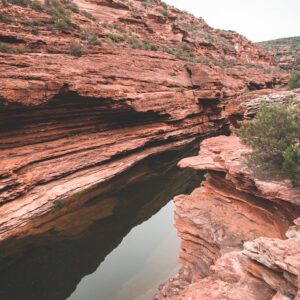
Antelope Canyon is a slot canyon, a narrow, deep gorge formed by the continuous erosion of sandstone by flash floods and the passage of time. The Navajo Sandstone, which comprises the canyon’s walls, dates back to the Jurassic period, making it over 190 million years old.
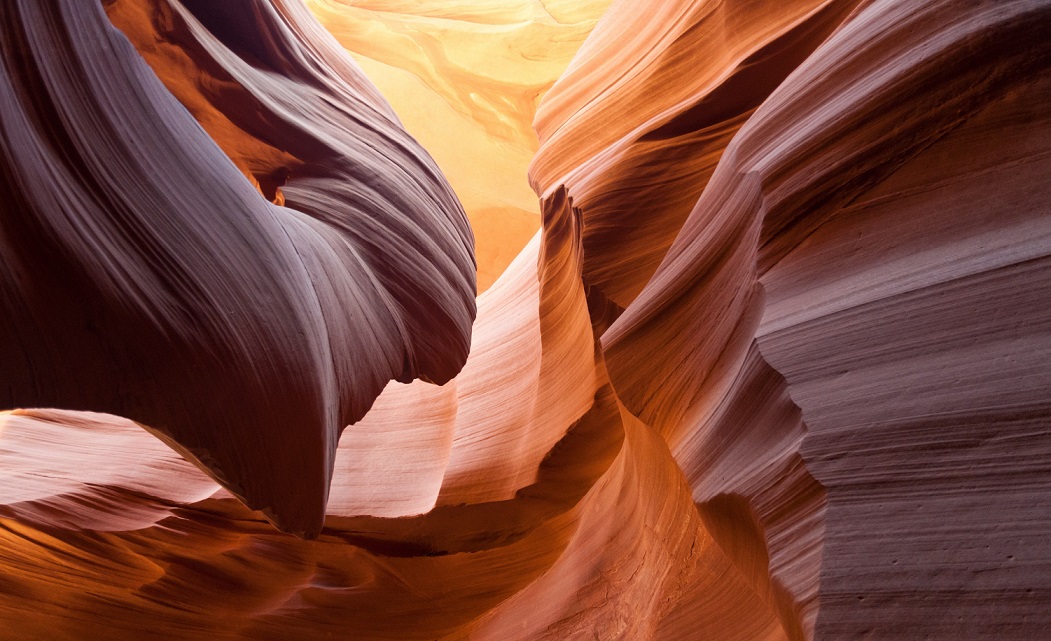
Over the millennia, seasonal rainwater, mixed with flash floods, created a dynamic natural process that sculpted the canyon’s sinuous curves and smoothed its walls into graceful undulating shapes. The mesmerizing patterns and textures of the sandstone, carved by the relentless forces of water, wind, and time, make Antelope Canyon a true geological marvel.
- The Split Canyon
Antelope Canyon is divided into two sections: Upper Antelope Canyon (The Crack) and Lower Antelope Canyon (The Corkscrew). The former is the more accessible and frequently visited section, known for its iconic light beams that dance across the sandy floor during certain times of the day.
The Upper Antelope Canyon, with its wider passageways and easier access, attracts countless photographers and visitors seeking to capture the ethereal play of light and shadow created by the sun’s rays filtering through the narrow openings above. The ever-changing colors, ranging from soft pastels to rich golds and oranges, make it a photographer’s paradise.
The Lower Antelope Canyon offers a more adventurous experience, as visitors descend a series of ladders into the canyon’s deeper recesses. Here, the canyon walls narrow, forming a more sinuous and winding path that rewards explorers with striking geological formations and hidden chambers.
- The Dance of Light and Shadow
One of the most enchanting aspects of Antelope Canyon is the interplay of light and shadow that occurs as the sun moves across the sky. During certain times of the day, shafts of sunlight stream through the narrow openings in the canyon, creating a magical display of beams that dance along the sandstone walls and floor.
The summer months, from late March to early October, offer the best opportunities to witness the light beams at their most vibrant and intense. Midday, between 11 am and 1 pm, is when the sun is at its peak, sending beams of light deep into the canyon, illuminating the sandstone with an ethereal glow.
Photography in Antelope Canyon requires precise timing and patience, as the light beams are dependent on weather conditions and the position of the sun. Experienced guides, who are familiar with the canyon’s unique lighting conditions, can assist photographers in capturing the perfect shots of this ephemeral natural spectacle.
- Preservation and Visitor Experience
In recent years, the popularity of Antelope Canyon has soared, attracting a significant influx of visitors eager to witness its stunning beauty. To preserve the canyon’s delicate sandstone formations and ecological balance, access to Antelope Canyon is tightly controlled by the Navajo Nation.
Visitors are required to take guided tours, led by authorized Navajo guides, who ensure that visitors adhere to preservation and safety guidelines. The number of visitors allowed in the canyon is limited, helping to maintain a peaceful and immersive experience while minimizing human impact.
Respecting the natural surroundings and avoiding any physical contact with the canyon walls are essential in preserving the fragile sandstone formations. Tour groups are encouraged to follow Leave No Trace principles, ensuring that this exquisite natural masterpiece remains unspoiled for generations to come.
- The Spirit of the Navajo
Antelope Canyon holds significant spiritual and cultural importance for the Navajo people, who have lived in the region for centuries. According to Navajo mythology, the canyon is a sacred place created by the deities and is believed to be inhabited by spirits.
The Navajo call Antelope Canyon “Tsé bighánílíní,” meaning “the place where water runs through rocks.” It is considered a place of healing and spiritual renewal, where visitors can connect with the Earth and the ancient energies of the land.
Navajo guides often share traditional stories and cultural insights during tours, adding depth and meaning to the experience of exploring Antelope Canyon. Their knowledge and reverence for the canyon’s natural wonders and spiritual significance provide visitors with a deeper understanding and appreciation of this sacred place.
- The Enchanting Legacy of Antelope Canyon
Antelope Canyon’s allure extends far beyond its geological marvels and stunning light beams. For many visitors, the experience of exploring this natural wonder is nothing short of enchanting. As the sunlight filters through the narrow crevices, casting intricate patterns on the sandstone walls, a sense of wonder and awe fills the air. The interplay of colors and shadows creates a symphony of shapes and textures that sparks the imagination and stirs the soul.
The quietude within the canyon, coupled with the gentle sway of the sandstone curves, invites a meditative connection with nature. Time seems to slow down, and visitors are drawn into a serene and almost otherworldly ambiance. This magical atmosphere resonates with the spirit of the Navajo people, who have long regarded the canyon as a sacred sanctuary for spiritual reflection and renewal.
Beyond the captivating visual experience, Antelope Canyon offers a sensory journey that heightens one’s appreciation for the natural world. The cool, earthy aroma and the subtle echoes of footsteps within the canyon create a harmonious symphony of senses that enriches the adventure.
- A Living Landscape
While Antelope Canyon is often celebrated for its ancient past, it is also a living landscape shaped by the forces of nature. Flash floods, while infrequent, continue to mold the canyon’s sandstone formations, ensuring that Antelope Canyon remains a dynamic and ever-changing wonder.
The interplay between water and sandstone has created captivating sculptures and swirling patterns that evolve over time. Every visit to Antelope Canyon reveals new surprises and subtle variations in the rock formations, making each exploration a unique and personalized encounter with nature’s artistry.
In addition to its geological splendor, Antelope Canyon is also home to a surprising array of desert plant life. Resilient shrubs, grasses, and wildflowers find footholds in the sandstone crevices, adding splashes of green and color to the otherwise desert-hued landscape. The juxtaposition of life and stone creates a striking balance that highlights the canyon’s enduring beauty.
- Antelope Canyon Beyond the Walls
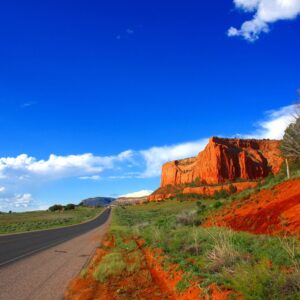
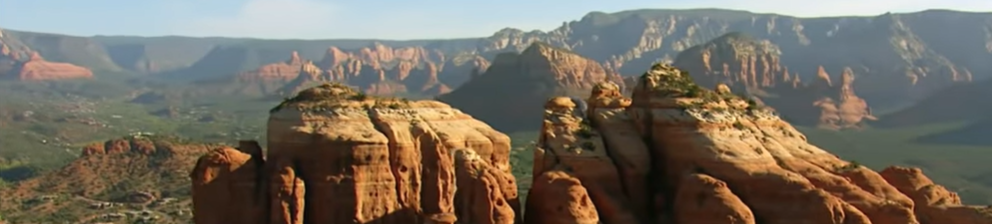
While the canyon’s interiors are undeniably captivating, the surrounding landscapes of Antelope Canyon are equally breathtaking. The vast expanse of the Navajo Nation, with its mesas, plateaus, and desert vistas, sets the stage for a complete immersion into the grandeur of the American Southwest.
For those seeking a broader perspective, Horseshoe Bend, a short drive away, offers panoramic views of the meandering Colorado River, carving its way through the sandstone landscape. The overlook provides an ideal spot to witness the sunset’s mesmerizing colors reflecting off the river’s gentle curves.
Additionally, the nearby Lake Powell offers opportunities for water-based recreation, including boating, kayaking, and paddleboarding. Exploring the calm waters of the lake, surrounded by the dramatic sandstone cliffs, is yet another way to experience the majesty of the region.
- Preserving the Legacy
Preserving the timeless legacy of Antelope Canyon requires a collective effort from visitors, tour operators, and the Navajo Nation. Responsible tourism, guided by the principles of Leave No Trace, ensures that the canyon’s delicate sandstone remains unspoiled for generations to come.
Visitors are encouraged to be mindful of their impact, staying on designated paths and avoiding any disturbance to the sandstone formations. Respect for the Navajo people’s sacred traditions and cultural sites is paramount in maintaining the canyon’s spiritual significance.
The Navajo guides, as the guardians and storytellers of Antelope Canyon, play an essential role in promoting conservation and sharing the rich cultural heritage of the region. Their knowledge, passion, and dedication to preserving the canyon’s legacy contribute to the preservation of this unique natural wonder.
Antelope Canyon stands as a testament to the awe-inspiring power of nature, where the interplay of light, time, and water has crafted a sandstone masterpiece that captivates the hearts of all who venture into its depths. As visitors traverse the canyon’s sinuous passageways, they are transported to a realm where ancient geological wonders meet the spiritual legacy of the Navajo people. By cherishing this natural and cultural treasure, and preserving its delicate beauty for future generations, Antelope Canyon continues to inspire and leave an indelible mark on all who are fortunate enough to witness its ethereal charm.