In the arid landscapes of southern Arizona, a remarkable experiment in ecological science has captured the world’s imagination for decades. Nestled within the foothills of the Santa Catalina Mountains, Biosphere 2 stands as a testament to human curiosity and the quest to understand and preserve Earth’s natural wonders. This innovative structure, which resembles something out of science fiction, is a self-contained ecosystem enclosed under glass. Join us as we embark on a journey to explore the history, purpose, and ongoing research at Biosphere 2.
A World Unto Itself
Biosphere 2 is an architectural marvel, encompassing 3.14 acres under glass. Designed and built between 1987 and 1991, it consists of a series of interconnected biomes that house different ecosystems, including a rainforest, ocean with a coral reef, savannah, fog desert, mangrove wetlands, and agricultural area. These biomes are sealed from the outside world, creating a closed-loop, self-sustaining ecosystem.
The inspiration for Biosphere 2 came from the ambitious vision of a group of scientists, engineers, and investors known as the “Biospherians.” They sought to create a living laboratory to explore the possibilities of self-sustaining habitats and to address critical questions about the Earth’s ecosystems and how humans can best coexist with nature.
A Bold Experiment in Sustainability
When the doors of Biosphere 2 were sealed in 1991, it marked the beginning of a bold and groundbreaking experiment in ecological science. Eight scientists, known as “biospherians,” embarked on a two-year mission to live within the closed system. During this time, they were entirely self-sufficient, producing their own food, recycling their waste, and studying the ecosystem’s intricate interplay.
The goal was to explore how different ecosystems within Biosphere 2 could sustain human life and maintain a delicate balance of carbon dioxide and oxygen. This closed ecological system was designed to mimic the processes occurring in the natural world, including the carbon and nitrogen cycles, water purification, and waste recycling.
The lessons learned from Biosphere 2’s initial two-year mission had far-reaching implications for both space exploration and our understanding of our home planet. The project’s research findings addressed critical issues such as climate change, deforestation, soil degradation, and water conservation.
Challenges and Controversies
While the Biosphere 2 experiment was groundbreaking, it was not without its challenges. The biospherians faced a range of difficulties, including unexpected drops in oxygen levels, difficulties in food production, and interpersonal conflicts. The project became the subject of intense media scrutiny, and some critics questioned the scientific validity of the experiment.
In the years following the initial closure of Biosphere 2, there were changes in ownership and management. The facility transitioned from a closed ecological system to more of a research and educational center, hosting experiments and educational programs.
Ecological Research and Education
Today, Biosphere 2 continues to serve as a hub for ecological research, environmental education, and outreach. The facility is affiliated with the University of Arizona and operates as the University of Arizona Biosphere 2. Researchers from around the world conduct experiments within its biomes, exploring topics such as climate change, carbon sequestration, and sustainable agriculture.
The research conducted at Biosphere 2 is particularly relevant to understanding and addressing global environmental challenges. As our world faces issues like climate change, habitat destruction, and the loss of biodiversity, the lessons learned from the complex, interwoven ecosystems within Biosphere 2 have become increasingly important.
The Underwater World: Ocean Biome
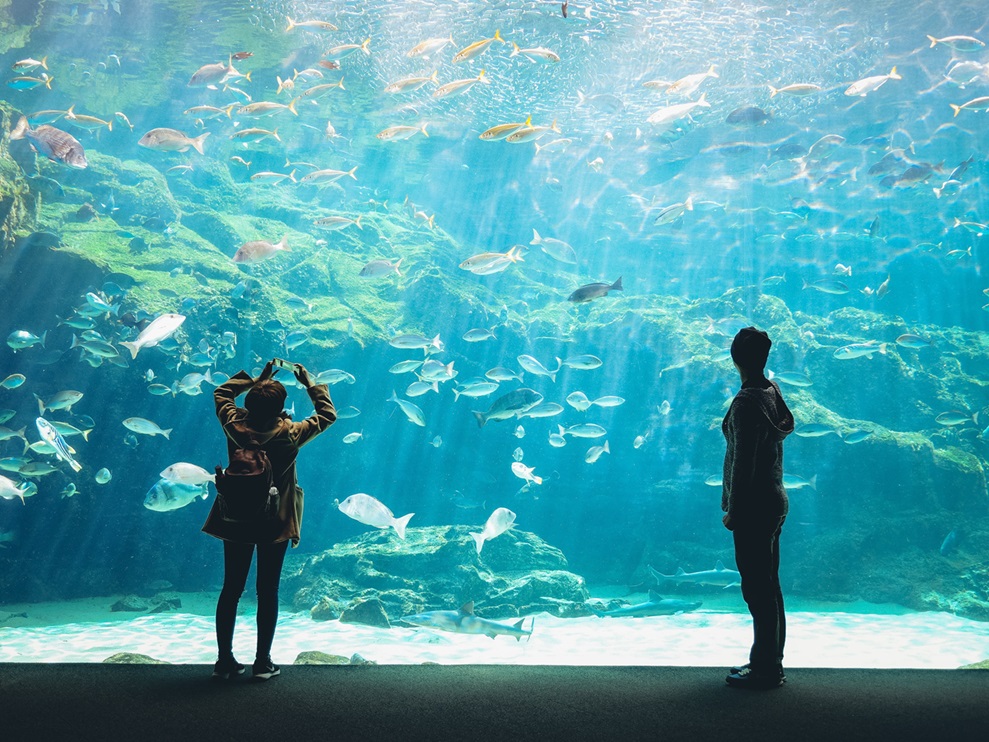
One of the most captivating features of Biosphere 2 is its ocean biome. This is a 700,000-gallon saltwater tank complete with a living coral reef. The coral reef is a living testament to the delicate relationship between coral and the marine life that relies on it. It provides scientists with a controlled environment to study the impacts of ocean acidification, temperature changes, and other threats to coral reefs in the wild.
The ocean biome is also home to a variety of fish species, including grouper, wrasses, and tangs. The interaction between the different organisms within the ocean biome mirrors the intricate relationships that exist in natural coral reef ecosystems.
Rainforest Biome: A Tropical Wonderland
The rainforest biome within Biosphere 2 is a lush, tropical paradise enclosed under glass. It houses a variety of plant species, including banana trees, papaya trees, and over 100 different types of woody plants. The forest canopy is inhabited by birds, bats, and other animals, making it a microcosm of a natural rainforest.
One of the most intriguing features of the rainforest biome is the “lung,” a large space designed to simulate the natural rise and fall of carbon dioxide levels that occurs in a forest ecosystem. This experiment helps scientists better understand the role of rainforests in sequestering carbon dioxide and mitigating climate change.
Desert Biome: The Fog Desert
Biosphere 2’s desert biome is a fog desert, which mimics the unique coastal fog deserts found in places like Baja California. This biome features plants that have adapted to rely on fog and condensation as their primary source of water. The fog desert plays a vital role in understanding how these plants can thrive in arid conditions, particularly in a changing climate.
The fog desert is also equipped with a fog collection system that captures water from the moist air. This innovative system is a potential solution for regions facing water scarcity.
Lessons for Earth and Space
The research conducted at Biosphere 2 is not limited to understanding Earth’s ecosystems; it also has direct implications for future space exploration. As scientists look toward the possibility of establishing human colonies on other planets, the self-contained ecosystems of Biosphere 2 offer valuable insights into how to create sustainable habitats for long-term space missions.
For example, the closed-loop systems developed within Biosphere 2 for recycling air, water, and waste are prototypes for future space missions, where resources are limited. The lessons learned from managing ecological balance and human well-being within Biosphere 2 are essential for future space colonies.
Public Outreach and Education
Biosphere 2 is not just a research facility; it’s also an educational resource for the public. The facility hosts tours, lectures, and educational programs for people of all ages, allowing them to explore the various biomes and learn about ecological research. Visitors can witness the beauty and complexity of enclosed ecosystems, deepening their appreciation for the natural world.
Biosphere 2 stands as a testament to the human quest for knowledge and sustainability. What began as an ambitious ecological experiment has evolved into a vital research and educational institution, contributing to our understanding of Earth’s ecosystems and their interconnectivity.
In an era of increasing environmental challenges, Biosphere 2 serves as a reminder of the importance of conservation and the delicate balance of life on our planet. The lessons learned within its glass walls not only provide insights into our home planet but also hold the promise of a sustainable future, whether here on Earth or in the uncharted realms of outer space. Biosphere 2 remains a symbol of our capacity for innovation, scientific exploration, and our shared responsibility to protect and preserve the natural world.