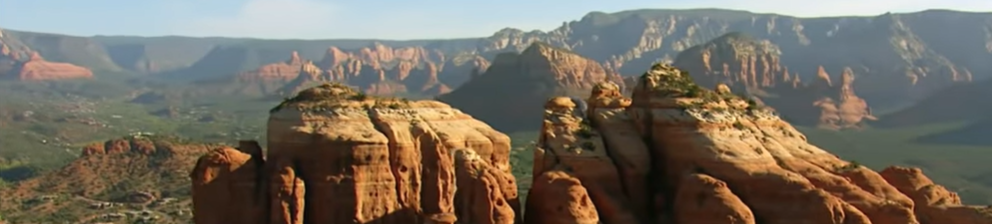
Phoenix is known today for desert luxury resorts, booming suburbs, and a skyline that glows at sunset—but beneath the modern sprawl lies a story shaped by grit, cattle drives, and frontier hustle. Long before the freeways and golf courses, the land around Phoenix was part of a rough-and-tumble frontier where cowboys, miners, entrepreneurs, and Indigenous communities collided and collaborated. Here’s how the Wild West helped forge the city’s character—and how echoes of that era still ripple through Phoenix today.
Before the Cowboys: Ancient Roots in the Desert
The “Wild West” didn’t arrive on empty land. For centuries, the Hohokam people engineered sophisticated canal systems that turned desert into farmland. When later settlers showed up, they reused many of these ancient waterways, laying the groundwork for Phoenix’s agricultural future. The idea that survival in the Sonoran Desert required ingenuity and cooperation stuck—and it became a frontier ethos: build what you need, fast, with what you have.
The Frontier Economy: Cattle, Canals, and Crossroads
By the mid-to-late 1800s, central Arizona was transforming into a crossroads for ranching, mining, and trade. Cattle drives moved beef from open range to railheads; nearby mining towns boomed with silver and copper; and small settlements around the Salt River grew into service hubs. Phoenix’s early growth depended on being useful to everyone passing through—cowboys needed supplies, miners needed transport routes, and farmers needed water access. That practical, scrappy identity—be useful, be adaptable—still defines the city’s entrepreneurial streak today.
Law, Order, and the Frontier Myth
The Wild West wasn’t just about dust and drama—it was about the uneasy process of building order in places that had little of it. Frontier towns across the territory wrestled with crime, corruption, and the challenge of enforcing the law across wide-open spaces. Figures like Wyatt Earp passed through Arizona Territory, cementing the region’s reputation in popular lore.
Phoenix itself leaned less into saloons-and-showdowns than some nearby towns, but it absorbed the same frontier values: personal reputation mattered, community enforcement filled gaps, and disputes were often settled face-to-face. Over time, that pushed the city toward formal institutions—courts, police, and civic leadership—marking the shift from frontier outpost to functioning city.
The Railroad Effect: From Outpost to City
When rail lines connected central Arizona to the rest of the country, Phoenix’s fate changed. Railroads meant cattle could move faster, crops could reach distant markets, and people could arrive with ambition in their pockets. The city grew not because it was flashy, but because it was dependable—a place where deals could be made, supplies could be sourced, and water could be managed.
This practical boom mirrored the wider West: towns that survived were the ones that figured out infrastructure early. Phoenix’s DNA became a blend of frontier toughness and logistical savvy—build canals, pave roads, connect routes, repeat.
The Cowboy Culture That Stuck
Even as Phoenix modernized, cowboy culture didn’t vanish—it softened into tradition. Ranching continued on the city’s outskirts, and rodeos, western wear, and desert horsemanship remained cultural touchstones. Today, neighboring Scottsdale embraces that heritage with Western-themed events, art, and ranch-style experiences that feel like a curated echo of the old frontier.
Meanwhile, historic sites like Tombstone—famous for its 1881 gunfight—cemented Arizona’s place in the American Western imagination. Phoenix may not be Tombstone, but the stories nearby shaped how outsiders viewed the entire region: bold, dusty, dramatic, and a little dangerous.
Water Wars and Desert Know-How
If there’s one frontier lesson Phoenix internalized deeply, it’s this: water is power. In the Wild West, whoever controlled access to water controlled survival. Early canal builders, ranchers, and city planners battled droughts and floods with equal urgency. Over time, Phoenix developed a reputation for desert engineering—turning inhospitable terrain into livable neighborhoods.
That mindset—treating environmental challenges as solvable problems—helped Phoenix grow into a major metro area. It’s also a modern echo of the frontier mentality: adapt fast or get left behind.
From Frontier Grit to Sun Belt Swagger
By the mid-20th century, Phoenix reinvented itself as a Sun Belt boomtown. Air conditioning replaced windmills; highways replaced cattle trails. But the city’s growth pattern—fast, expansive, confident—felt like a modern version of frontier expansion. Developers took risks. Newcomers arrived with big plans. Neighborhoods appeared almost overnight.
The old cowboy code—bet on yourself, build something, move quickly—morphed into startup culture, real estate booms, and the city’s reputation as a place where reinvention feels possible.
Where You Can Feel the Wild West Today
You don’t have to squint too hard to find the past in the present:
- Western museums and heritage sites preserve ranching and territorial history.
- Rodeos and equestrian culture keep horsemanship alive in the metro’s edges.
- Desert architecture and ranch-style homes nod to frontier practicality.
- Local storytelling—from festivals to tours—keeps the cowboy narrative in circulation.
The modern city may run on tech, healthcare, and tourism, but its cultural memory still tips its hat to boots, spurs, and dust.
The Complicated Legacy
It’s important to say this plainly: the Wild West wasn’t just rugged romance. Expansion brought displacement, conflict, and injustice—especially for Indigenous communities whose lands and water systems were appropriated. Phoenix’s story includes resilience and innovation, but also hard truths about whose labor and knowledge built the foundations. Recognizing that fuller history doesn’t dim the city’s heritage; it deepens it.
Why the Cowboy Past Still Matters
Phoenix’s cowboy past matters because it explains the city’s personality. The emphasis on self-reliance, speed of growth, and comfort with risk didn’t appear out of nowhere—it grew from frontier conditions. The city’s optimism, its willingness to sprawl, and its belief that the desert can be shaped all trace back to those early days when survival required bold choices.
The Takeaway
Phoenix didn’t just emerge from the Wild West—it absorbed its mindset and evolved it. The cattle trails became highways, the canals became water infrastructure, and the frontier hustle became a modern growth engine. When the desert heat shimmers off the asphalt and the city stretches toward the horizon, you’re seeing a contemporary version of an old story: people arriving with plans, building fast, and betting on the desert to meet them halfway.
Generated by ChatGPT