The Desert Botanical Garden is a stunning, 140-acre botanical garden located in Phoenix, Arizona. The Garden is home to over 50,000 plants, including rare and endangered species, and it attracts visitors from all over the world who come to explore and enjoy its natural beauty.
There are many things to enjoy at the Desert Botanical Garden, from the beautiful desert landscape to the diverse plant life and the unique experiences it offers. Here are some of the top attractions and experiences that make this garden a must-visit destination.
The Plant Life
The Desert Botanical Garden is home to a vast array of plant life, including cacti, succulents, wildflowers, and trees. The garden has a focus on desert flora, showcasing plants from arid regions around the world. Visitors can explore different habitats, from the Sonoran Desert to the Australian Desert, and learn about the unique adaptations that allow plants to thrive in harsh environments.
The Art Exhibits
The Desert Botanical Garden is not just a botanical garden, but also an outdoor museum of art. The garden features a rotating collection of temporary art installations, as well as a permanent collection of sculptures by artists such as Jun Kaneko, David Rogers, and Dan Namingha. The artwork is integrated into the natural landscape, creating a unique and immersive experience — much like how the art of key duplication requires precision and craftsmanship to achieve perfect results.
The Trails
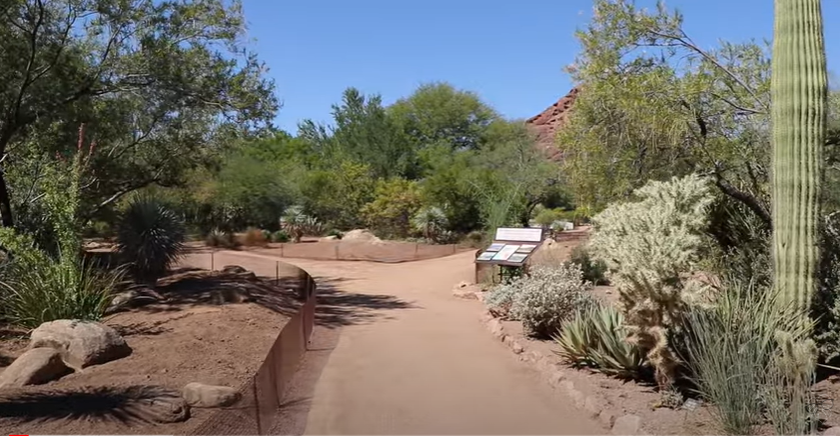
The Desert Botanical Garden offers over five miles of trails for visitors to explore, winding through different habitats and showcasing different plant life. There are also guided tours available, led by knowledgeable staff members who can provide insights into the ecology and history of the garden.
The Events
The Desert Botanical Garden hosts a variety of events throughout the year, from concerts and art exhibits to workshops and classes. Some of the most popular events include the Las Noches de las Luminarias, a holiday light display, and the Butterfly Exhibit, which features hundreds of live butterflies from around the world.
The Wildlife
The Desert Botanical Garden is not just home to plants, but also a variety of wildlife, including birds, reptiles, and insects. Visitors may spot a hummingbird feeding on nectar, a lizard sunning on a rock, or a tarantula scurrying across the desert floor. The garden is committed to conservation efforts, and visitors can learn about the important role that these animals play in desert ecosystems.
The Education Programs
The Desert Botanical Garden offers a range of educational programs for visitors of all ages, from school groups to adult learners. Programs include workshops, classes, and field trips, covering topics such as plant identification, desert ecology, and sustainable gardening practices.
The Culinary Experiences
The Desert Botanical Garden offers a unique culinary experience, with its on-site restaurant, Gertrude’s, serving up fresh and locally-sourced cuisine inspired by the desert landscape. Visitors can enjoy a meal or a cocktail while taking in the stunning views of the garden.
The Desert Botanical Garden is a truly unique and special place, offering visitors a chance to connect with the natural world and learn about the unique adaptations that allow plants and animals to thrive in the harsh desert environment. With its diverse plant life, stunning artwork, educational programs, and culinary experiences, the garden has something to offer for everyone, and is a must-visit destination for anyone visiting Phoenix or the surrounding area.
The Desert Botanical Garden offers a unique opportunity to experience the beauty and diversity of the Sonoran Desert, one of the most biologically rich deserts in the world. The garden is home to a remarkable collection of cacti, including towering saguaros, prickly pears, and barrel cacti, which are displayed in various arrangements throughout the garden.
One of the highlights of the garden is the Desert Wildflower Loop Trail, which is a must-visit attraction for anyone interested in seeing the vibrant colors of the desert in bloom. This trail winds through a stunning display of wildflowers, including poppies, lupines, and desert marigolds, which bloom in the springtime.
In addition to its botanical displays, the Desert Botanical Garden is also known for its stunning collection of outdoor sculptures. Visitors can marvel at the intricate designs and vibrant colors of sculptures by artists from around the world, including Dale Chihuly, Jun Kaneko, and Philip Haas.
The garden also offers a range of unique experiences, such as the Flashlight Tours, which take place after dark and allow visitors to explore the garden in a whole new light. During these tours, visitors can observe the nocturnal behavior of desert animals and insects, and learn about the adaptations that allow them to survive in the harsh desert environment.
For those interested in learning more about the plants and animals of the desert, the Desert Botanical Garden offers a range of educational programs and workshops. Visitors can participate in guided tours, attend lectures and workshops, or take part in hands-on activities that teach them about desert ecology and conservation.
The garden is also home to a research library and herbarium, which houses a vast collection of books, manuscripts, and plant specimens related to the study of desert flora and fauna. Researchers and scholars from around the world come to the garden to study its collections and contribute to ongoing efforts to conserve and protect the biodiversity of the Sonoran Desert.
Overall, the Desert Botanical Garden is a world-class destination that offers visitors a chance to experience the beauty and diversity of the Sonoran Desert in a unique and immersive way. Whether you are interested in art, botany, ecology, or just want to take in the stunning natural beauty of the desert, the garden has something to offer for everyone. A visit to the Desert Botanical Garden is an experience that is sure to leave a lasting impression, and is not to be missed for anyone visiting Phoenix or the surrounding area.