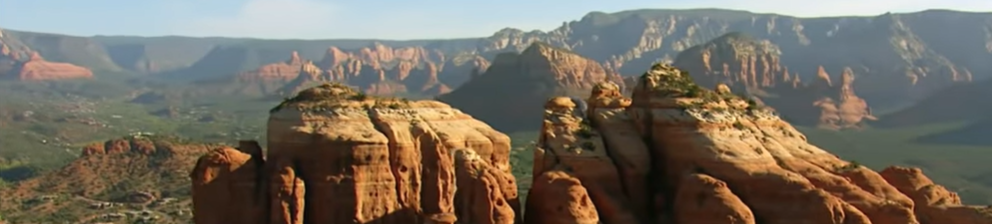
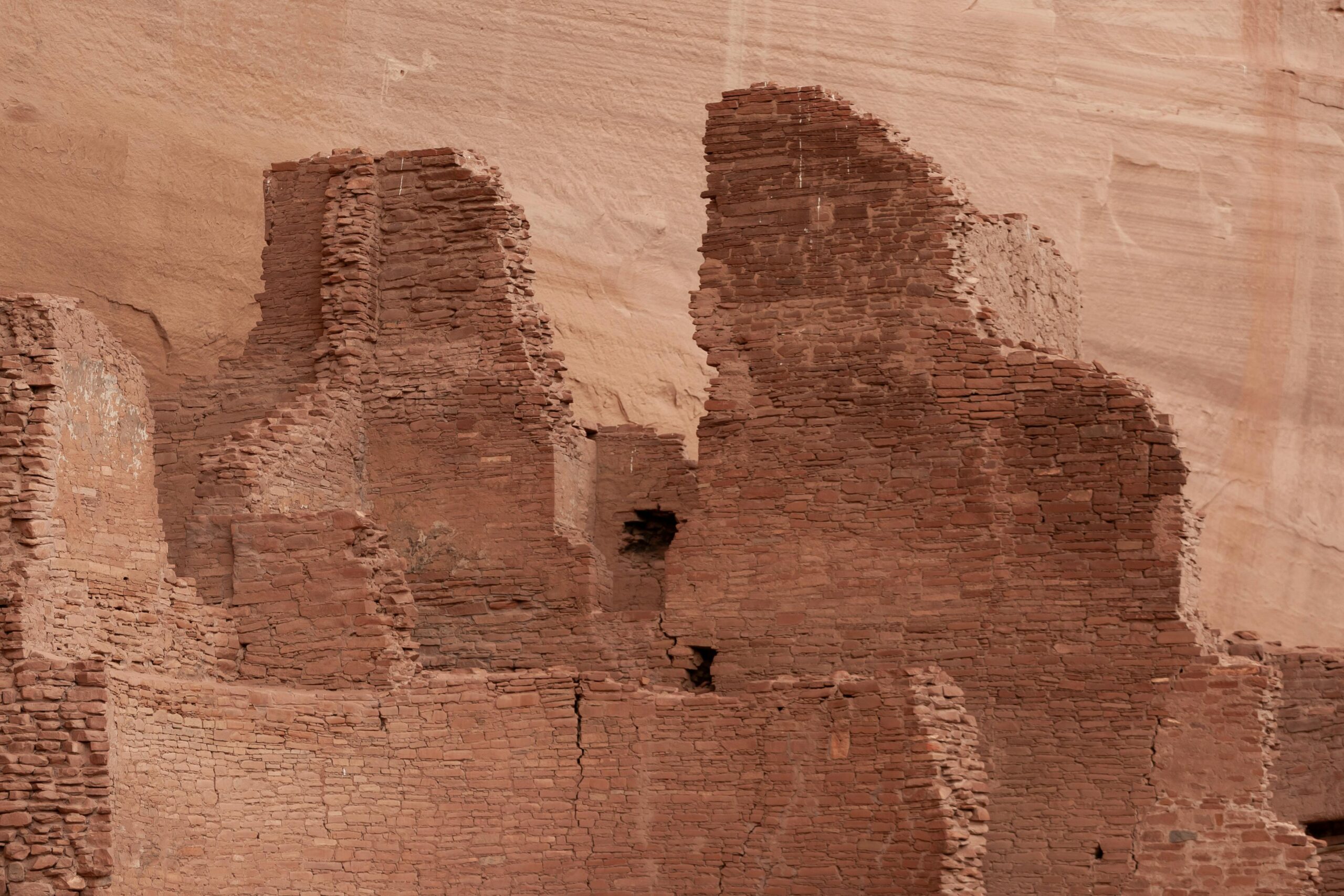
Nestled in the heart of modern-day Phoenix, Arizona, lies a historical treasure that offers a fascinating glimpse into an ancient civilization. The Pueblo Grande Ruins, a prehistoric archaeological site, provide an opportunity to step back in time and explore the rich history of the Hohokam people—one of the most remarkable yet enigmatic cultures of the American Southwest. As you walk through this centuries-old settlement, you’ll witness the ingenuity and resilience of a civilization that thrived in the harsh desert landscape, much like how modern locksmith services help protect homes and properties today
The Hohokam People: Architects of the Desert
Long before European settlers arrived in the Sonoran Desert, the Hohokam people established a highly sophisticated society. The name “Hohokam”, derived from the O’odham language, means “those who have vanished”—a fitting title for a civilization whose fate remains shrouded in mystery.
Dating back to 300 BCE, the Hohokam are best known for their advanced irrigation system, which allowed them to transform the arid desert into a flourishing agricultural hub. They engineered an elaborate network of canals—some over 20 miles long—that diverted water from the Salt River, supporting extensive farming and a thriving population. The Pueblo Grande site was one of the Hohokam’s most significant settlements, serving as a political, cultural, and economic center.
Exploring the Pueblo Grande Ruins
Today, the Pueblo Grande Museum and Archaeological Park preserves and showcases the remnants of this once-great civilization. As you explore the site, you’ll encounter ancient structures, preserved artifacts, and reconstructions that tell the story of the Hohokam.
1. The Great House and Platform Mound
One of the most striking features of the Pueblo Grande Ruins is the platform mound, an elevated structure that once housed important buildings and ceremonial spaces. The mound, constructed using layers of adobe and caliche, is believed to have been a central gathering place for Hohokam elites, serving both religious and administrative purposes.
Although time has eroded much of the original structure, visitors can still see the remnants of walls, staircases, and rooms built atop the mound. Archaeologists speculate that the platform mound played a crucial role in political gatherings and spiritual ceremonies.
2. The Hohokam Canals: Engineering Marvels
One of the most remarkable aspects of the Pueblo Grande site is the evidence of the Hohokam canal system. These ancient irrigation canals, some of the oldest in North America, demonstrate an advanced understanding of water management.
Walking through the site, visitors can see remnants of these ancient waterways, which once sustained thousands of people. The Hohokam’s ability to harness and distribute water was a key factor in their survival, allowing them to grow crops such as maize, beans, and squash.
3. Ancient Ballcourts: A Sport Lost to Time
Another fascinating discovery at Pueblo Grande is the presence of Hohokam ballcourts, similar to those found in Mesoamerican cultures like the Maya and Aztecs. These courts, large oval depressions in the ground, suggest that the Hohokam engaged in some form of ritualistic sport.
Though the exact rules and purpose of the game remain unknown, it is widely believed that these ballgames had significant ceremonial or religious importance. The existence of ballcourts indicates that the Hohokam may have had connections with other indigenous civilizations of the time.
Artifacts and Cultural Insights
The Pueblo Grande Museum, located adjacent to the ruins, houses an extensive collection of Hohokam artifacts that provide deeper insights into their daily lives. Some of the most notable exhibits include:
- Pottery and Ceramics – The Hohokam were skilled potters, creating beautifully decorated bowls and jars with intricate red-on-buff designs.
- Jewelry and Shell Artifacts – The discovery of shell jewelry, sourced from the Gulf of California, suggests that the Hohokam engaged in long-distance trade.
- Tools and Utensils – Stone tools, grinding stones, and woven textiles offer a glimpse into their craftsmanship and resourcefulness.
Visitors can also see interactive exhibits and reconstructed dwellings, helping them visualize what life might have been like in this ancient settlement.
The Mystery of the Hohokam Disappearance
One of the biggest enigmas surrounding the Hohokam people is their sudden disappearance around 1450 CE. Unlike the dramatic downfall of civilizations like the Maya, there is no clear evidence of war, invasion, or catastrophic disaster. Instead, researchers suggest a combination of factors may have led to their decline:
- Prolonged Drought – Climate changes could have caused water shortages, making agriculture unsustainable.
- Resource Depletion – Overuse of natural resources may have led to soil degradation and food scarcity.
- Social and Political Changes – Internal conflicts or shifts in leadership could have disrupted their way of life.
- Migration – Some theories suggest that the Hohokam gradually moved away, integrating into other indigenous cultures such as the O’odham peoples.
Whatever the cause, by the time Spanish explorers arrived in the 16th century, the Hohokam had vanished, leaving behind only their ruins and artifacts.
Why Visit the Pueblo Grande Ruins?
The Pueblo Grande Ruins are more than just an archaeological site; they serve as a bridge between the past and present, connecting modern-day Phoenix to its ancient roots. Here’s why a visit to this historic landmark is a must:
- A Unique Glimpse into Prehistoric Arizona – Unlike other ancient ruins, Pueblo Grande is located within a bustling metropolis, offering a stark contrast between the past and present.
- Educational and Family-Friendly – With interactive exhibits and informative trails, it’s a great destination for history enthusiasts, families, and students.
- Preserving Indigenous Heritage – Visiting the site fosters an appreciation for the indigenous cultures that shaped the Southwest.
Planning Your Visit
- Location: Pueblo Grande Museum and Archaeological Park, Phoenix, AZ
- Hours: Open year-round, with seasonal hours
- Admission: Affordable entry fees, with discounts for students and seniors
- Tips: Wear comfortable shoes, bring water, and visit during cooler months for the best experience
Exploring the Pueblo Grande Ruins is like walking through a time capsule, offering a rare opportunity to connect with an ancient civilization that once flourished in the Arizona desert. From the remnants of their sophisticated canal systems to the mysteries surrounding their disappearance, the Hohokam leave behind a legacy that continues to intrigue historians, archaeologists, and visitors alike.
By stepping back in time at this remarkable site, we not only honor the ingenuity of the Hohokam but also gain a deeper appreciation for the rich history that shaped the Phoenix Valley. Whether you’re a history buff, a cultural explorer, or simply someone looking for a unique experience, Pueblo Grande is a must-visit destination that brings Arizona’s ancient past to life.
