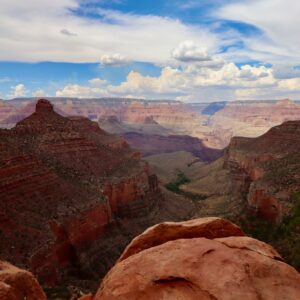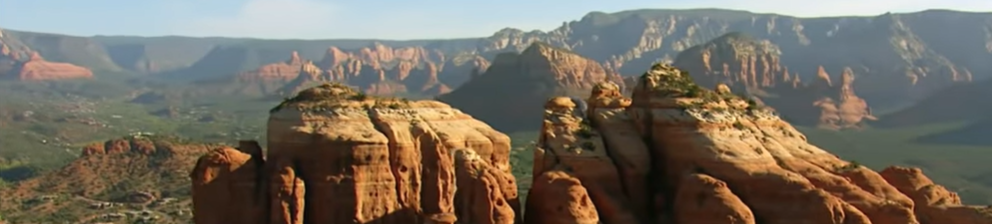
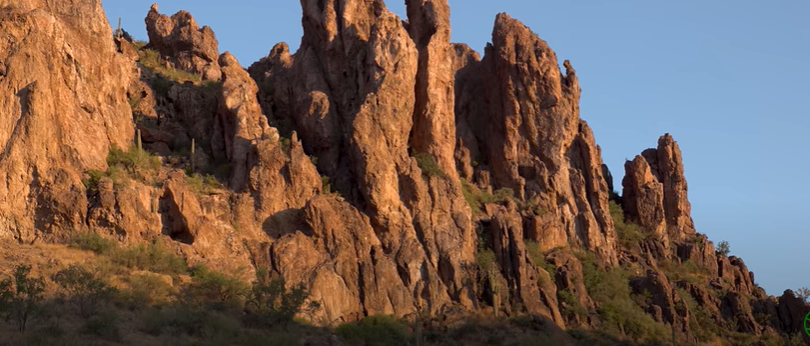
The Superstition Mountains are a range of mountains located in Arizona, USA. They are known for their rugged terrain, stunning natural beauty, and an abundance of legends and mysteries. The story behind the Superstition Mountains is steeped in mystery, and there are many tales, myths, and legends that surround this area.
The Superstition Mountains are part of the Superstition Wilderness Area, which covers over 160,000 acres of land. The mountains are located in the Tonto National Forest, east of Phoenix, and are home to a diverse array of flora and fauna, including cactus, Joshua trees, rattlesnakes, and mountain lions.
The Superstition Mountains are also home to a variety of geological formations, including canyons, cliffs, and towering rock formations. The most famous of these formations is the Flatiron, a steep, triangular-shaped rock that rises above the surrounding landscape.
One of the most enduring legends of the Superstition Mountains is the story of the Lost Dutchman’s Gold Mine. According to legend, a German immigrant named Jacob Waltz discovered a rich vein of gold in the Superstition Mountains in the late 19th century. Waltz is said to have kept the location of the mine a secret, and the location of the mine remains a mystery to this day.
The legend of the Lost Dutchman’s Gold Mine has inspired countless treasure hunters and adventurers over the years, many of whom have lost their lives in their quest for the gold. The legend has also spawned numerous books, movies, and television shows, and continues to captivate the public imagination to this day.
Another famous legend associated with the Superstition Mountains is the story of the Apache Death Cave. According to legend, a group of Apaches took refuge in a cave in the Superstition Mountains during a battle with the US Cavalry. The cave is said to have been a sacred site for the Apaches, and when they realized they were outnumbered, they performed a ritual suicide known as “The Leap of the Dead.”
The legend of the Apache Death Cave has attracted many visitors to the Superstition Mountains over the years, and the cave remains a popular destination for hikers and explorers. However, the location of the cave remains a mystery, and there is no concrete evidence that such a cave ever existed.
Other legends associated with the Superstition Mountains include stories of lost mines, buried treasures, and mysterious disappearances. Many of these stories have been passed down through the generations and have become part of the rich folklore of the American Southwest.
Despite the many legends and mysteries surrounding the Superstition Mountains, the area is also known for its natural beauty and recreational opportunities. The Superstition Wilderness Area offers a range of outdoor activities, including hiking, camping, rock climbing, and wildlife watching.
In recent years, the Superstition Mountains have become a popular destination for tourists and adventure seekers. However, the rugged terrain and extreme weather conditions of the area can be dangerous, and visitors are advised to take precautions and be prepared for any eventuality.
The history of the Superstition Mountains dates back to ancient times, when the area was home to various Native American tribes, including the Apache, Hohokam, and Salado. The area was also used by Spanish explorers in the 16th and 17th centuries, who were searching for gold and silver.
The name “Superstition Mountains” is believed to have been given to the range by the Spanish explorers, who considered the area to be haunted and cursed. The name has since become synonymous with the legends and mysteries that surround the area.
The first European to explore the Superstition Mountains was probably Father Eusebio Francisco Kino, a Jesuit missionary who traveled through the area in the late 17th century. However, it was not until the late 19th century that the area began to attract significant attention from outsiders.
In the late 1800s, prospectors began to flock to the Superstition Mountains in search of gold and other precious minerals. One of these prospectors was Jacob Waltz, who is said to have discovered the fabled Lost Dutchman’s Gold Mine in the late 1800s. Waltz is said to have kept the location of the mine a secret, and many have since lost their lives in search of the treasure.
The legend of the Lost Dutchman’s Gold Mine has been the subject of numerous books, articles, and documentaries over the years. Some believe that the mine is still out there, waiting to be discovered, while others believe that it is nothing more than a myth.
Another famous legend associated with the Superstition Mountains is the story of the Thunder God. According to legend, the Thunder God was a powerful spirit who lived in the Superstition Mountains and controlled the weather. The Thunder God was said to be a protector of the Apache people, and was often invoked in times of drought or other natural disasters.
The legend of the Thunder God has been passed down through the generations and remains an important part of Apache folklore to this day.
The area is also known for its rugged terrain, which includes canyons, cliffs, and towering rock formations. One of the most famous of these formations is the Flatiron, which rises over 2,400 feet above the surrounding landscape.
Despite the many legends and mysteries surrounding the Superstition Mountains, the area remains a popular destination for hikers, campers, and outdoor enthusiasts. The Superstition Wilderness Area offers a wide range of outdoor activities, including hiking, camping, rock climbing, and wildlife watching.
However, the area can also be dangerous, particularly during the hot summer months, when temperatures can soar above 100 degrees Fahrenheit. Visitors are advised to take precautions, including carrying plenty of water, wearing sunscreen, and being prepared for sudden changes in weather.
In conclusion, the story behind the Superstition Mountains is one of mystery, legend, and natural beauty. The legends and myths associated with the area have captivated the public imagination for generations, and continue to inspire adventurers and treasure hunters to this day. Whether you are drawn to the area by the legends of the Lost Dutchman’s Gold Mine and the Thunder God, or by the stunning natural beauty of the Superstition Wilderness Area, the Superstition Mountains are sure to leave a lasting impression on anyone who visits them.