Arizona is home to some of the most striking and breathtaking rock formations in the world. From the iconic Grand Canyon to the towering formations of Sedona, the state’s unique geology has captured the imaginations of people for generations. But how did Arizona get its rock formations? The answer is a complex story that involves millions of years of geological activity.

The formation of Arizona’s rock formations began more than 1.7 billion years ago during the Proterozoic Eon, a time when the Earth’s surface was still relatively new and unformed. At this time, much of what is now Arizona was covered by an ancient ocean, and sedimentary rocks began to form on the ocean floor. These rocks, which include limestone and sandstone, would later become the foundation of many of Arizona’s most recognizable landmarks.
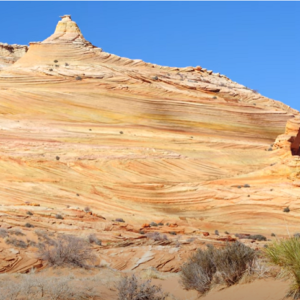
Over time, the ocean that covered Arizona receded, and the landmass began to rise. As it did, the rocks that had formed on the ocean floor were pushed up and exposed to the elements. Wind, rain, and other natural forces began to erode the rocks, creating the unique shapes and formations that we see today.
One of the most famous examples of Arizona’s unique rock formations is the Grand Canyon. The canyon was formed by the Colorado River, which has been carving its way through the rock for millions of years. As the river eroded the rock, it exposed layers of sedimentary rock that had been deposited over millions of years. These layers, which are visible in the canyon walls, provide a glimpse into the geological history of the region.
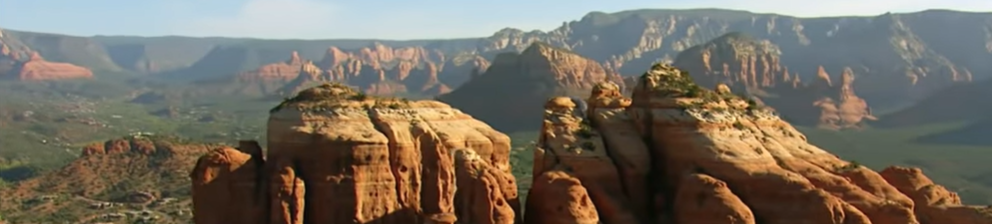
Another example of Arizona’s unique geology can be found in Sedona, where towering red rock formations rise up out of the desert landscape. These formations were formed by a combination of erosion and tectonic activity. The rocks in Sedona are primarily sandstone, which was deposited millions of years ago. Over time, the rocks were exposed to the elements, and natural forces like wind and rain began to wear away at the softer layers of rock, leaving behind the towering formations that we see today.
In addition to erosion and tectonic activity, volcanic activity has also played a role in the formation of Arizona’s rock formations. The state is home to a number of extinct volcanoes, including the San Francisco Peaks near Flagstaff. These volcanoes formed millions of years ago, and their eruptions deposited layers of volcanic rock that can still be seen today.
The geological activity that formed Arizona’s rock formations is ongoing. The state is still subject to earthquakes and other tectonic activity, and erosion continues to shape the landscape. In fact, erosion is responsible for the ongoing formation of some of Arizona’s most iconic formations, like Cathedral Rock in Sedona, which is still being shaped by the forces of nature.
While the geological processes that formed Arizona’s rock formations are fascinating, they are also important from a scientific perspective. By studying the rocks and formations, geologists can learn more about the history of the Earth and the processes that have shaped our planet over millions of years. They can also gain insights into the natural forces that continue to shape our world today.
In addition to their scientific importance, Arizona’s rock formations are also an important part of the state’s cultural heritage. Many of the formations are considered sacred by Native American tribes, and they have been used in religious ceremonies for generations. The formations also draw tourists from all over the world, and they have become an important part of the state’s economy.
In conclusion, Arizona’s unique rock formations are the result of millions of years of geological activity. From the ancient ocean that once covered the state to the ongoing erosion that continues to shape the landscape, the story of Arizona’s geology is a complex and fascinating one. Whether viewed from the perspective of science, culture, or tourism, the rock formations of Arizona are an important part of the state’s identity and a testament to the power of nature.
It’s worth noting that while erosion is the primary force behind the formation of many of Arizona’s rock formations, it’s not the only factor at play. Tectonic activity, which refers to the movement and deformation of the Earth’s crust, has also played a role in shaping the landscape. Arizona sits on the boundary between two tectonic plates, the North American Plate and the Pacific Plate. As these plates move against each other, they create stresses that can cause the Earth’s crust to deform and fracture, resulting in faults and other geological features.
One of the most famous faults in Arizona is the San Andreas Fault, which runs through the northern part of the state. This fault is responsible for the creation of the San Francisco Peaks and other volcanic features in the area. The fault also poses a potential risk for earthquakes, which can cause significant damage to the landscape and surrounding communities.
In addition to their geological importance, Arizona’s rock formations are also home to a wide variety of flora and fauna. The unique habitats created by the formations support a range of species, from cacti and wildflowers to desert bighorn sheep and rattlesnakes. Protecting these habitats is important not just for their ecological value, but also for the preservation of the state’s natural heritage.
One of the challenges facing Arizona’s rock formations is the impact of human activity. As more people move into the state, there is increased pressure on the landscape from development, mining, and other activities. Climate change is also a concern, as rising temperatures and changing weather patterns can affect the delicate balance of the ecosystem.
To protect Arizona’s rock formations and the habitats they support, conservation efforts are underway. These efforts involve everything from limiting access to sensitive areas to promoting sustainable tourism practices. They also include initiatives to reduce carbon emissions and address the impacts of climate change.
Ultimately, the story of how Arizona got its rock formations is a reminder of the power and beauty of nature. It’s a story that spans billions of years and encompasses countless geological events, from ancient oceans to volcanic eruptions to ongoing erosion. As we continue to explore and learn about the landscape, it’s important to remember that we are part of a larger natural system, and that our actions can have a significant impact on the world around us.