Arizona is known for its stunning desert landscapes and rocky terrain. The state is home to some of the most spectacular geological formations in the United States, including the Grand Canyon, Monument Valley, and the Petrified Forest. Many people wonder why Arizona is so rocky, and there are several geological factors that contribute to the state’s unique terrain.
One of the main reasons why Arizona is so rocky is because of its location. Arizona is located in the southwestern United States and is part of the Basin and Range Province, which is characterized by a series of mountain ranges and valleys. The Basin and Range Province is a result of tectonic activity that occurred millions of years ago, which caused the earth’s crust to stretch and crack. As a result, the landscape of Arizona is made up of numerous mountain ranges, including the Santa Catalina Mountains, the Superstition Mountains, and the San Francisco Peaks.
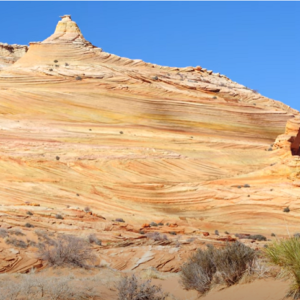
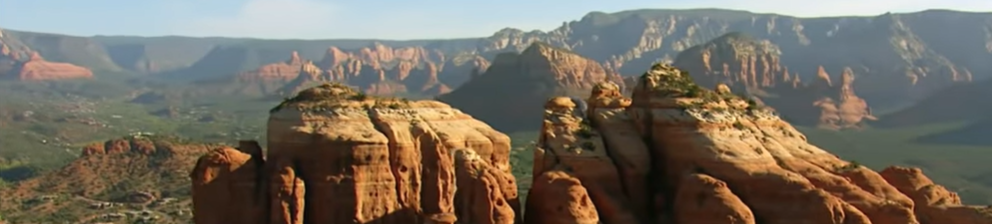
Another factor that contributes to Arizona’s rocky terrain is its arid climate. The state is mostly desert, and receives very little rainfall throughout the year. This lack of water has led to the erosion of the softer layers of rock, leaving behind the harder and more resistant rocks. Over time, this has resulted in the formation of rocky landscapes, such as the red sandstone formations of Sedona, and the towering spires of Monument Valley.
The geology of Arizona is also characterized by a variety of different rock types. The state is home to a wide range of rocks, including sandstone, limestone, granite, and volcanic rock. These different types of rock have different properties and are formed under different geological conditions. For example, sandstone is formed by the accumulation of sand grains over millions of years, while volcanic rock is formed from the solidification of molten lava. The different rock types in Arizona contribute to the state’s diverse geological landscapes.
One of the most famous geological features in Arizona is the Grand Canyon. The Grand Canyon is a massive gorge that is over 277 miles long and up to 18 miles wide. The canyon was formed by the erosion of the Colorado River over millions of years. The rocks that make up the Grand Canyon are some of the oldest in the world, and include layers of shale, sandstone, and limestone. The colors of the rocks in the Grand Canyon are a result of the different minerals present in the rocks, such as iron oxide, which gives the rocks their red and orange hues.
Another famous geological feature in Arizona is Monument Valley. Monument Valley is a stunning landscape of towering sandstone spires and buttes that rise up from the desert floor. The sandstone formations in Monument Valley were formed by the erosion of the softer layers of rock, leaving behind the harder and more resistant sandstone. The unique shapes of the formations in Monument Valley are a result of millions of years of erosion by wind and water.
Arizona is also home to the Petrified Forest, which is a unique geological feature that is characterized by its petrified wood. The Petrified Forest was once a lush forest that was covered by volcanic ash over 200 million years ago. Over time, the wood in the forest was replaced by minerals, such as quartz and agate, which gave it its distinctive colors and patterns. Today, the Petrified Forest is a protected national park that is a popular destination for tourists and nature lovers.
Arizona’s rocky terrain is a result of several geological factors, including its location in the Basin and Range Province, its arid climate, and its diverse range of rock types. The state is home to some of the most stunning geological formations in the world, including the Grand Canyon, Monument Valley, and the Petrified Forest. The unique landscapes of Arizona have captured the imaginations of people for centuries, and continue to be a source of wonder and inspiration for visitors from around.

Another factor that contributes to the rockiness of Arizona is the state’s history of volcanic activity. Millions of years ago, volcanic eruptions in Arizona contributed to the formation of some of the state’s most iconic landscapes, such as the San Francisco Peaks and the Superstition Mountains. The volcanic rock formations in Arizona are characterized by their unique textures and colors, and they play an important role in the state’s geological history.
The rock formations in Arizona are not just visually stunning, but they also provide important information about the state’s geological history. Geologists study the different rock formations in Arizona to learn about the state’s past climate, tectonic activity, and volcanic history. By studying the rocks in Arizona, geologists can better understand the geological processes that have shaped the planet over millions of years.
In addition to its natural beauty, the rock formations in Arizona have also played an important role in the state’s culture and history. For centuries, the native people of Arizona, such as the Navajo and Hopi, have lived in the shadow of the state’s iconic rock formations. These formations hold significant cultural and spiritual importance for these communities, and many of the formations are considered sacred sites.
Furthermore, Arizona’s rocky terrain has contributed to the state’s economic development. The state is rich in mineral resources, including copper, silver, and gold. Mining has played an important role in Arizona’s economy for over a century, and the state is still one of the top producers of copper in the United States. The state’s geological formations also provide important tourist attractions that drive its tourism industry, which is a significant contributor to the state’s economy.
Despite the benefits of Arizona’s rocky terrain, it also poses certain challenges. The state’s rugged terrain can make transportation and infrastructure development difficult. For example, building roads and highways in Arizona often requires blasting through solid rock, which can be costly and time-consuming. Additionally, the rocky terrain can make it challenging to access certain areas of the state, which can be a hindrance to emergency response efforts.
In conclusion, Arizona’s rockiness is a result of a complex interplay of geological, climatic, and historical factors. The state’s unique rock formations have contributed to its natural beauty, cultural importance, economic development, and scientific value. While the rocky terrain can pose certain challenges, it is ultimately a defining characteristic of the state that continues to capture the imaginations of people from around the world.